


Hello, nice to meet you here!
How can we help you?

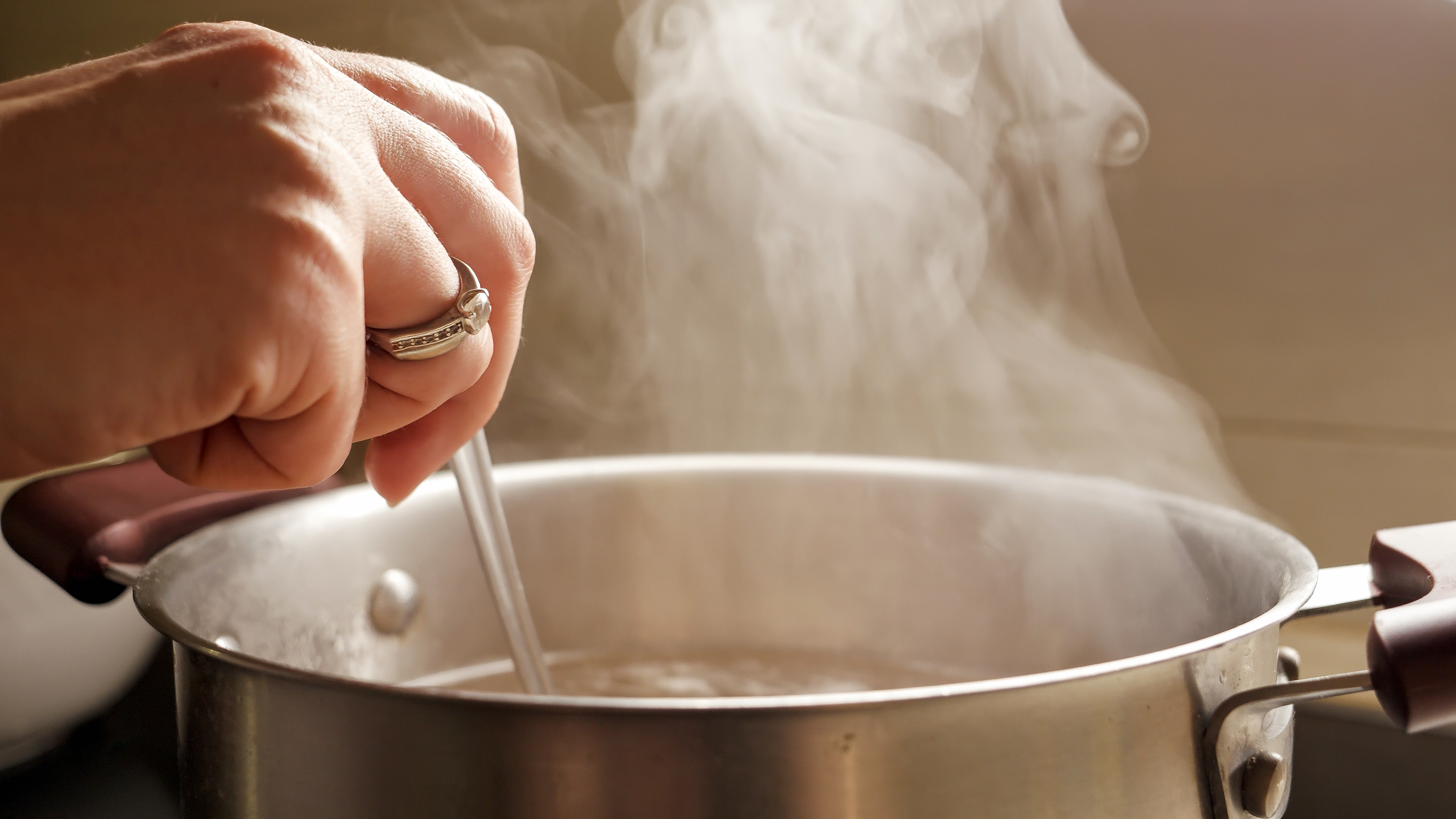
When the coldest months of the year arrive, our body needs a little more energy to maintain body temperature and strengthen the immune system. Food plays a key role in this, and making small adjustments to our diet can help us feel more vital and well-being.
Below, we share some nutritional tips and curiosities to take better care of yourself during the winter. But first of all...
Our body maintains a stable internal temperature (around 36–37 °C) thanks to a process called thermoregulation. When it's cold, the body activates mechanisms to produce more heat, and to do so it needs energy.
This energy comes from the nutrients we ingest:
• Carbohydrates: they are the main source of immediate energy. They are transformed into glucose, which the cells use as fuel.
• Healthy fats: they provide reserve energy and help maintain body temperature.
• Proteins: participate in the regeneration and maintenance of tissues, especially during periods of physical stress.
When we eat foods rich in complex carbohydrates, such as rice, the body obtains sustained energy that helps maintain body heat in a stable manner, avoiding sudden drops in energy.
Hot foods are not only comforting, but they also help improve digestion and provide an immediate feeling of comfort. Soups, broths, stews and soups are ideal allies during the cold.
Rice: energy and balance
Rice is an excellent source of complex carbohydrates, which provide sustained energy and help maintain body temperature. In addition, it is an easy-to-digest, versatile food and is very present in traditional winter dishes such as soupy rice, rice with vegetables or rice with legumes.
Incorporating rice into your winter diet allows you to create complete, nutritious dishes that are adaptable to all ages.
• Garlic and onion
• Legumes
• Seasonal vegetables
• Spices such as ginger or turmeric
Combined with cereals such as rice, they allow you to prepare balanced dishes full of nutrients.
Are you looking for ideas for hot dishes with rice for this winter? Discover easy, nutritious and comforting recipes on our blog to enjoy the cold with energy.
Below, we share some nutritional tips and curiosities to take better care of yourself during the winter. But first of all...
How does the body obtain energy to warm itself?
Our body maintains a stable internal temperature (around 36–37 °C) thanks to a process called thermoregulation. When it's cold, the body activates mechanisms to produce more heat, and to do so it needs energy.
This energy comes from the nutrients we ingest:
• Carbohydrates: they are the main source of immediate energy. They are transformed into glucose, which the cells use as fuel.
• Healthy fats: they provide reserve energy and help maintain body temperature.
• Proteins: participate in the regeneration and maintenance of tissues, especially during periods of physical stress.
When we eat foods rich in complex carbohydrates, such as rice, the body obtains sustained energy that helps maintain body heat in a stable manner, avoiding sudden drops in energy.
Hot dishes to fight the cold
Hot foods are not only comforting, but they also help improve digestion and provide an immediate feeling of comfort. Soups, broths, stews and soups are ideal allies during the cold.
Rice: energy and balance
Rice is an excellent source of complex carbohydrates, which provide sustained energy and help maintain body temperature. In addition, it is an easy-to-digest, versatile food and is very present in traditional winter dishes such as soupy rice, rice with vegetables or rice with legumes.
Incorporating rice into your winter diet allows you to create complete, nutritious dishes that are adaptable to all ages.
Ingredients that help strengthen your defenses
During the cold months, it is especially important to take care of your immune system. Some foods that can help are:• Garlic and onion
• Legumes
• Seasonal vegetables
• Spices such as ginger or turmeric
Combined with cereals such as rice, they allow you to prepare balanced dishes full of nutrients.
The importance of hydration in winter
Although we feel less thirsty in winter, it is important to continue hydrating ourselves properly. Infusions, vegetable broths or soupy dishes with rice also contribute to maintaining a good level of hydration.Nutritional curiosity
The body can spend more calories to maintain its temperature in cold environments. Therefore, a balanced and energetic diet helps to avoid the feeling of tiredness that is so common in winter.Eating well is also taking care of yourself
Adapting your diet to winter is a simple and effective way to take care of your health. Choosing energetic, nutritious and local foods, such as rice, helps us maintain vitality and well-being during the colder months.Are you looking for ideas for hot dishes with rice for this winter? Discover easy, nutritious and comforting recipes on our blog to enjoy the cold with energy.